جديد قطار القدية السريع
خطوة إضافية في رسم ملامح الرياض الجديدة
الرياض – BETH
أعلنت الهيئة الملكية لمدينة الرياض، بالتعاون مع المركز الوطني للتخصيص وشركة القدية للاستثمار، عن القائمة الرسمية للشركات التي تقدمت برغبتها في المشاركة في مشروع قطار القدية السريع، وذلك ضمن مرحلة طلب إبداء الاهتمام التي انطلقت في 22 سبتمبر 2025 وأُغلقت في 12 أكتوبر 2025.
الشركات المتقدمة للمشروع
بلغ إجمالي الشركات المتقدمة 145 شركة موزعة على ست فئات رئيسية:
المطورون والمقاولون الرئيسيون: 68 شركة
موردو العربات والأنظمة: 10 شركات
مشغّلو السكك الحديدية: 12 شركة
المستثمرون الماليون: 16 شركة
مستشارو التصميم وإدارة المشاريع: 23 شركة
فئات أخرى: 16 شركة
هذه المرحلة تأتي ضمن الشراكة بين القطاعين العام والخاص لتنفيذ المرحلة الأولى من المشروع، وفق نموذج PPP.
من المطار إلى القدية خلال 30 دقيقة
يهدف المشروع إلى ربط:
مطار الملك سلمان الدولي
مركز الملك عبدالله المالي (كافد)
مدينة القدية
وذلك عبر خط سريع تصل سرعته إلى 250 كلم/ساعة، في زمن لا يتجاوز 30 دقيقة.
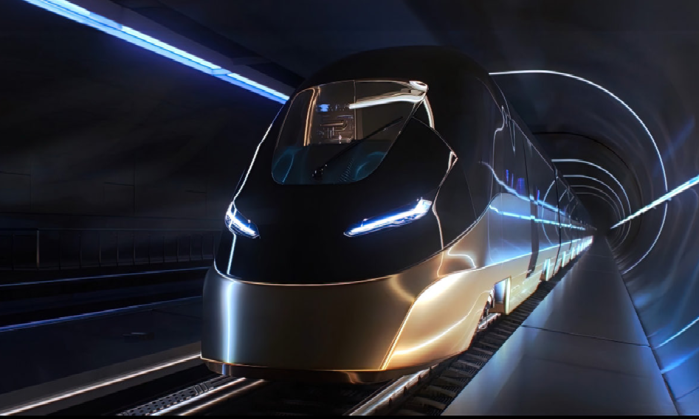
يمثل قطار القدية السريع عنصرًا استراتيجيًا في منظومة النقل الجديدة للرياض، ويأتي متكاملًا مع شبكة النقل العام التي أُطلقت مؤخرًا.
أهمية المشروع
المبادرة تأتي ضمن جهود:
الهيئة الملكية لمدينة الرياض
المركز الوطني للتخصيص
شركة القدية للاستثمار
لإيجاد شراكات نوعية مع القطاع الخاص، ودعم مشاريع النقل الحضري، وتحسين جودة الحياة، وتعزيز النمو العمراني المستدام بما يتماشى مع رؤية السعودية 2030.
🟦 تعليق تحليلي – BETH
مشروع قطار القدية السريع ليس مجرد خط نقل، بل جسر حضري ذكي يعيد تشكيل الحركة بين أهم ثلاثة مراكز في الرياض: المطار، كافد، والقدية. حجم الشركات المتقدمة (145 شركة) يعكس شهية عالمية للمشاركة في بناء الجيل الجديد من البنية التحتية السعودية.
هذا النوع من المشاريع يضع الرياض في مسار المدن العالمية التي تُبنى حول السرعة، الكفاءة، والاستثمار في الوقت… وهو العنصر الأكثر قيمة في المدن الحديثة.
Qiddiya High-Speed Rail Update
A New Step in Shaping Riyadh’s Future
Riyadh – BETH
The Royal Commission for Riyadh City (RCRC), in collaboration with the National Center for Privatization (NCP) and Qiddiya Investment Company (QIC), announced the official list of companies that submitted their interest to participate in the Qiddiya High-Speed Rail Project.
This follows the Expression of Interest (EOI) phase, which opened on 22 September 2025 and closed on 12 October 2025.
Companies Interested in the Project
A total of 145 companies have expressed interest, distributed across six main categories:
Developers and major contractors: 68 companies
Rolling stock and systems suppliers: 10 companies
Railway operators: 12 companies
Financial investors: 16 companies
Design and project management consultants: 23 companies
Others: 16 companies
This stage falls under the public-private partnership (PPP) model for implementing Phase One of the project.
From the Airport to Qiddiya in 30 Minutes
The high-speed rail aims to connect:
King Salman International Airport
King Abdullah Financial District (KAFD)
Qiddiya City
The rail line will operate at speeds of up to 250 km/h, enabling the full journey to be completed in just 30 minutes.
The Qiddiya High-Speed Rail will form a strategic pillar of Riyadh’s new transportation network and will integrate seamlessly with the public transit system recently launched in the capital.
Project Significance
The initiative comes as part of ongoing efforts by:
The Royal Commission for Riyadh City
The National Center for Privatization
Qiddiya Investment Company
to forge strategic partnerships with the private sector, enhance urban mobility projects, improve quality of life for residents and visitors, and support sustainable urban growth in alignment with Saudi Vision 2030.
🟦 Analytical Comment – BETH
The Qiddiya High-Speed Rail is more than a transportation line; it is an urban intelligence corridor that redefines movement between three of Riyadh’s most vital hubs: the airport, KAFD, and Qiddiya.
The significant turnout of 145 companies signals a strong global appetite to participate in shaping the next generation of Saudi infrastructure.
Projects of this scale place Riyadh firmly among global cities built around speed, efficiency, and strategic use of time—the most valuable currency in modern urban life.