


السعودية ثانيًا عالميًا في نضج الحكومة الرقمية
تفوق دولي يعكس جاهزية المنظومة الرقمية وريادة التحول
الرياض | BETH
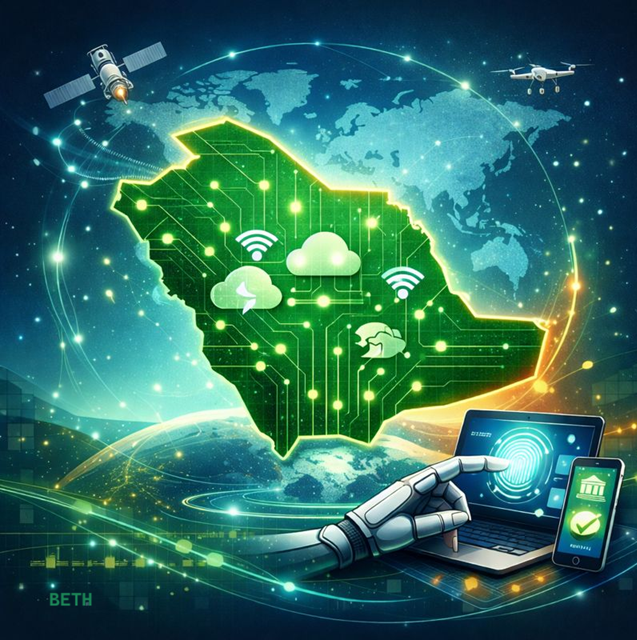
حققت المملكة العربية السعودية إنجازًا عالميًا غير مسبوق بحصولها على المرتبة الثانية عالميًا في مؤشر نضج الحكومة الرقمية (GTMI) لعام 2025، الصادر عن مجموعة البنك الدولي، ضمن تقييم شمل 197 دولة حول العالم، وذلك خلال المؤتمر الصحافي الذي عُقد اليوم في العاصمة الأميركية واشنطن للإعلان عن نتائج المؤشر.
ووفقًا لتقرير البنك الدولي، صُنّفت المملكة ضمن فئة الدول “المتقدمة جدًا” (A)، محققة نسبة 99.64% على مستوى المؤشر العام، وهو من أعلى المعدلات المسجلة عالميًا، وذلك عبر تفوقها في جميع المؤشرات الفرعية، التي تشمل:
البنية الرقمية الحكومية
الأنظمة الحكومية الأساسية
تقديم الخدمات الرقمية
التفاعل مع المواطنين
منظومة رقمية ناضجة
وأوضح محافظ هيئة الحكومة الرقمية المهندس أحمد بن محمد الصويان أن هذا التقدم يعكس الدعم غير المحدود من القيادة الرشيدة، والتكامل العالي بين الجهات الحكومية، إلى جانب الشراكة الفاعلة مع القطاع الخاص، مشيرًا إلى أن فرق العمل الوطنية أعادت هندسة الخدمات الحكومية وطوّرت بنية رقمية متقدمة مكّنت المملكة من تحقيق هذا المركز العالمي.
وأكد الصويان أن هيئة الحكومة الرقمية، بصفتها الجهة المختصة بالتحول الرقمي الحكومي، ماضية في تعزيز الابتكار ورفع جودة المنتجات الرقمية، بما يسهم في دعم الاقتصاد الوطني وترسيخ مستهدفات رؤية السعودية 2030.
أرقام تعكس التفوق
وبيّنت نتائج مؤشر GTMI لعام 2025 تفوق المملكة في جميع المؤشرات الفرعية، حيث حققت:
99.92% في مؤشر الأنظمة الحكومية الأساسية (CGSI)
99.90% في مؤشر تقديم الخدمات الرقمية (PSDI)
99.50% في مؤشر ممكنات التحول الرقمي الحكومي (GTEI)
99.30% في مؤشر التفاعل مع المواطنين (DCEI)
هذا الأداء المتوازن أكد نضج المنظومة الرقمية الحكومية ووضع المملكة ضمن مصاف الدول الرائدة عالميًا.
الإنسان محور التحول
ويأتي هذا الإنجاز تتويجًا لمسار تصاعدي بدأ مع إطلاق رؤية السعودية 2030، التي جعلت الإنسان محور التحول الرقمي من خلال تحسين تجربة المستفيد، ورفع كفاءة الأداء الحكومي، وتوسيع نطاق الخدمات الذكية، مع تبني التقنيات الناشئة والذكاء الاصطناعي.
وشهدت المملكة قفزات نوعية في المؤشر، إذ انتقلت من المرتبة 49 عالميًا في عام 2020، إلى المرتبة الثالثة في 2022، وصولًا إلى المركز الثاني عالميًا في 2025.
إنجاز تنظيمي موازٍ
وفي سياق متصل، أعلن الاتحاد الدولي للاتصالات (ITU) تحقيق المملكة المرتبة الثانية عالميًا في مؤشر النضج التنظيمي الرقمي من بين 193 دولة، لتأتي بعد ألمانيا، وتحافظ على تصنيفها ضمن المستوى “القيادي” الأعلى عالميًا.
ويقيس المؤشر أكثر من 50 معيارًا لتقييم تطور البيئة التنظيمية الرقمية ومدى مواكبتها للمستجدات التقنية.
وأكد محافظ هيئة الاتصالات والفضاء والتقنية المكلّف المهندس هيثم بن عبدالرحمن العوهلي أن هذا الإنجاز ثمرة دعم القيادة الرشيدة، وتكامل الجهات الحكومية والخاصة، وتبني سياسات تنظيمية حديثة ترتكز على قياس الأثر الاجتماعي والاقتصادي، إضافة إلى برامج الشمول الرقمي، وتحفيز الابتكار، وتسريع نمو الاقتصاد الرقمي.
وأشار إلى أن هذا التقدم أسهم في تعزيز تنافسية سوق الاتصالات والتقنية، وجذب الاستثمارات، وترسيخ الدور الريادي للمملكة في المحافل الدولية، بحسب وكالة واس.
قراءة BETH
ما تحقق ليس رقمًا في مؤشر، بل إثبات عملي أن التحول الرقمي في السعودية انتقل من مرحلة التنفيذ إلى مرحلة النضج والتأثير، حيث تلتقي القيادة، والتنظيم، والتقنية في نموذج عالمي يُحتذى.
Saudi Arabia Ranks Second Globally in Digital Government Maturity
Global Excellence Reflecting the Readiness of the Digital Ecosystem and Leadership in Transformation
Riyadh | BETH
The Kingdom of Saudi Arabia has achieved an unprecedented global milestone by ranking second worldwide in the Digital Government Maturity Index (GTMI) 2025, issued by the World Bank Group, as part of an assessment covering 197 countries worldwide.
The results were announced today during a press conference held in Washington, D.C.
According to the World Bank’s report, Saudi Arabia was classified among the “Very Advanced” (A) countries, achieving an overall score of 99.64%, one of the highest globally. This result reflects outstanding performance across all sub-indicators, including:
Government digital infrastructure
Core government systems
Digital service delivery
Citizen engagement
A Mature Digital Ecosystem
The Governor of the Digital Government Authority, Eng. Ahmed bin Mohammed Al-Suwaiyan, stated that this progress reflects the unlimited support of the wise leadership, the high level of integration among government entities, and effective partnerships with the private sector.
He noted that national teams have re-engineered government services and developed an advanced digital infrastructure that enabled the Kingdom to reach this leading global position.
Al-Suwaiyan emphasized that the Digital Government Authority, as the entity responsible for government digital transformation, will continue to enhance innovation and improve the quality of digital products, supporting the national economy and reinforcing the objectives of Saudi Vision 2030.
Numbers That Reflect Excellence
The GTMI 2025 results highlight Saudi Arabia’s superiority across all sub-indices, achieving:
99.92% in the Core Government Systems Index (CGSI)
99.90% in the Public Service Delivery Index (PSDI)
99.50% in the Government Digital Transformation Enablers Index (GTEI)
99.30% in the Digital Citizen Engagement Index (DCEI)
This balanced performance confirms the maturity of the Kingdom’s digital government ecosystem and places Saudi Arabia among the world’s leading nations.
People at the Heart of Transformation
This achievement crowns a steady upward trajectory that began with the launch of Vision 2030, which placed people at the center of digital transformation by enhancing user experience, improving government efficiency, expanding smart services, and adopting emerging technologies and artificial intelligence.
Saudi Arabia has made remarkable progress in the index, advancing from 49th globally in 2020, to third place in 2022, and reaching second place worldwide in 2025.
Parallel Regulatory Achievement
In a related context, the International Telecommunication Union (ITU) announced that Saudi Arabia ranked second globally in the Digital Regulatory Maturity Index among 193 countries, following Germany, while maintaining its classification within the highest “Leading” level worldwide.
The index evaluates more than 50 criteria measuring the development of the digital regulatory environment and its alignment with technological advancements.
The Acting Governor of the Communications, Space and Technology Commission, Eng. Haitham bin Abdulrahman Al-Ohali, confirmed that this achievement is the result of leadership support, integration between public and private sectors, and the adoption of modern regulatory policies focused on measuring social and economic impact, digital inclusion programs, innovation incentives, and accelerating digital economy growth.
He added that this progress has strengthened the competitiveness of the ICT market, attracted investments, and reinforced the Kingdom’s leadership role in international forums, according to the Saudi Press Agency (SPA).
BETH Reading
What has been achieved is not merely a numerical ranking, but tangible evidence that Saudi Arabia’s digital transformation has moved from implementation to maturity and impact, where leadership, regulation, and technology converge in a global model worthy of emulation.