
“ابتكار، صحة، اقتصاد”.. لمستقبل أكثر إشراقًا في السعودية
إعداد وتحليل: إدارة الإعلام الإستراتيجي | BETH
المقدّمة
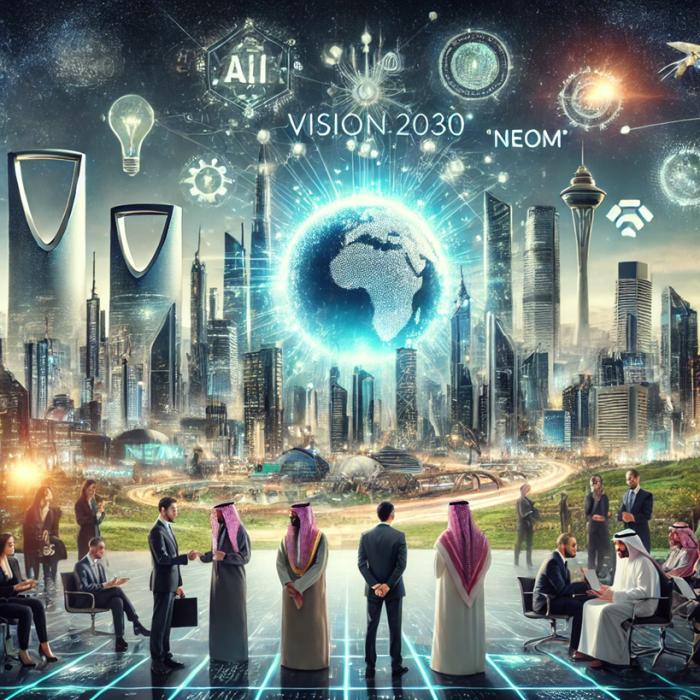
المملكة العربية السعودية تشهد اليوم نقلة نوعيّة تحمل في طيّاتها كثيراً من الأمل والتغيير الإيجابي. من خلال رؤية السعودية 2030، تمّ وضع خارطة طريق تهدف إلى تنويع الاقتصاد، ترسيخ بيئة الابتكار، ورفع جودة الحياة.
هذا التقرير يستعرض فيما يلي ثلاثة محاور رئيسية: الاقتصاد والابتكار (الاختراعات والتكنولوجيا)، القطاع الطبي والصحة، والابتكار العام – مع الأمثلة البارزة والإحصاءات التي تعكس الواقع والمستقبل.
الاقتصاد والابتكار
لماذا الاقتصاد؟
إحدى الركائز الأساسية لرؤية 2030 هي “اقتصاد مزدهر” (Thriving Economy) بحيث تقلّ الاعتماد على النفط وتزيد مشاركة القطاعات الأخرى.
مثلاً، وفق صندوق النقد الدولي، تم رفع توقعات نمو الناتج المحلي للمملكة لعام 2025 إلى 4% مع تحسّن في إنتاج النفط، لكن أيضاً “النمو غير النفطي” لعب دورًا.
المملكة أصبحت تحتل المركز 46 في مؤشر الابتكار العالمي لعام 2025 بين 139 اقتصاداً.
الاقتصاد الرقمي والتقني
الاقتصاد الرقمي السعودي يشهد تركيزًا على الذكاء الاصطناعي، الحوسبة السحابية، وإنترنت الأشياء.
استثمارات ضخمة في الذكاء الاصطناعي والتقنيات، حيث تم الإعلان عن استثمارات تزيد على 14.9 مليار دولار لتعزيز الاقتصاد الرقمي.
مثال: إطلاق شركة HUMAIN تحت مظلة صندوق الاستثمارات العامة (PIF) لتطوير البنية التحتية للذكاء الاصطناعي والنماذج اللغوية العربية الكبيرة.
ابتكارات صناعية وبحثية
في مجال التكنولوجيا الحيوية مثلاً، المملكة صنّفت “نهضة تقنية حيوية” حيث بلغ الاستثمار في البحث والتطوير نحو 22.6 مليار ريال سعودي (≈6 مليار دولار) في 2023، بزيادة سنوية 17.4 % .
كذلك مبادرات الذكاء الكمي (Quantum) تمضي قُدماً، كمشروع “اقتصاد كمي” يُمهد لبناء مكانة سعودية قيادية في هذا المجال.
تحليل سريع:
نقطة قوة: رؤية واضحة، استثمارات كبيرة، تحفيز الابتكار، شراكات دولية.
نقطة تحدّي: بنية تحتية تقنية عالية، تأهيل القوى البشرية، انتقال من اقتصاد مقاوم إلى اقتصاد مبتكر.
تفاؤل: التقييمات تشير إلى تحسّن ملموس في ترتيب المملكة في مؤشرات الابتكار والمنافسة العالمية.
الصحة والقطاع الطبّي
2.1 المشهد العام
ضمن برنامج “مجتمع حيوي” (Vibrant Society) في رؤية 2030، يُعطى القطاع الصحي أولوية لتحسين جودة الحياة، الوصول إلى الخدمات، وتعزيز تقنيات الرعاية الصحية.
2.2 تقنيات رائدة وتطبيقاتها
الامتداد الفعلي للتطبيب عن بُعد (Telemedicine) ومنصات الرعاية الافتراضية، مثل تطبيقات استُخدمت خلال جائحة كورونا، مما وسّع نطاق الوصول للمناطق النائية.
السجلات الصحية الإلكترونية (EHR) وأنظمة المعلومات في المستشفيات باتت من أولويات المملكة لتعزيز تشارُك المعلومات وتقليل الأخطاء.
أجهزة طبية مدعومة بالذكاء الاصطناعي: تشخيص أسرع ودقّة أعلى، مراقبة ذكية، علاج موجه.
مثال ابتكاري: كبسولة متعددة الحجيرات تمكن المرضى من تناول عدة أدوية في وقت واحد بتوقيت مخصّص، تمّ تطويرها بالتعاون بين King Abdulaziz City for Science and Technology (KACST) والولايات المتحدة.
أثر صحي واجتماعي
هذه الابتكارات تسهم في تحسين نتائج المرضى، تقليل الإقامة في المستشفيات، وخفض تكاليف الرعاية.
كما أنها تعزّز قدرة المملكة على الاستعداد للتحديات الصحية المستقبلية – سواء الأوبئة أو الأمراض المزمنة.
تحليل سريع:
نقطة قوة: القيادة في تبني التكنولوجيا، رؤية واضحة للقطاع الصحي، ربط البحث العلمي بالتطبيق.
نقطة تحدّي: البُعد الجغرافي لبعض المناطق، التوعية المجتمعية، التكامل بين القطاعين العام والخاص.
تفاؤل: المملكة تتحول إلى مركز صحي إقليمي بميزات تقنية متقدمة، مما ينعكس إيجابًا على صحة المواطنين والمقيمين.
الابتكار العام والتأثير المستقبلي
3.1 ما المقصود؟
الابتكار هنا يشمل تغيّرات شاملة في طريقة العيش، استخدام التكنولوجيا في الحياة اليومية، المشاريع الكبرى، والتحول الحضري الذكي.
3.2 أمثلة بارزة
المشروع الضخم New Murabba في الرياض: مشروع وسط مدينة حديث، مستدام، يتضمّن بيئة معيشية ذكية، وبُعد ترفيهي وثقافي، ويتوقع أن يُضيف نحو 180 مليار ريال إلى الناتج غير النفطي ويوفّر 334 000 وظيفة مباشرة وغير مباشرة بحلول 2030.
مشاريع طاقة متجددة: المملكة تستثمر أكثر من 8 مليارات دولار في مشاريع طاقة شمسية ورياح بهدف إنتاج 15 غِگاواط من الكهرباء الجديدة.
البحث العلمي التطبيقي: مثال نظام إدارة نفايات ذكي في مكة باستخدام إنترنت الأشياء والذكاء الاصطناعي.
3.3 ما يعنيه للمواطن والمجتمع
تحسين جودة الحياة: مدن ذكية، مساحات خضراء، خيارات ترفيهية متعدّدة.
خلق فرص عمل: في التقنية، الأبحاث، الخدمات، السياحة، الطاقة.
تنافسية عالمية: المملكة تتبوّأ مواقع أفضل في التقييمات العالمية، مما يعزز الثقة للمستثمر الخارجي.
تحليل سريع:
نقطة قوة: مشاريع طموحة، تركيز على المستقبل، دمج بين القطاعين الحكومي والخاص.
نقطة تحدّي: تنفيذ ضخم يتطلّب تنسيق عالي والكثير من الموارد والوقت.
تفاؤل: بوجود الالتزام والمصادر، يمكن أن تصبح المملكة نموذجاً في المنطقة والشرق الأوسط للتحول الحضري والتقني.
Report: “Innovation, Health, and Economy”… Towards a Brighter Future in Saudi Arabia
Prepared and Analyzed by: Strategic Media Department | BETH
Introduction
The Kingdom of Saudi Arabia is witnessing a transformative leap that carries within it great promise and positive change. Through Saudi Vision 2030, a comprehensive roadmap has been laid out to diversify the economy, establish an innovation-driven environment, and enhance the quality of life.
This report highlights three main pillars: Economy and Innovation (Inventions and Technology), Medical and Health Sector, and General Innovation, with key examples and statistics reflecting the current reality and future outlook.
Economy and Innovation
Why the Economy Matters
One of the core pillars of Vision 2030 is a “Thriving Economy”—an economy less dependent on oil and more inclusive of diverse sectors.
According to the International Monetary Fund (IMF), Saudi Arabia’s GDP growth forecast for 2025 has been raised to 4%, driven by improved oil production as well as non-oil growth.
The Kingdom now ranks 46th among 139 economies in the Global Innovation Index 2025.
The Digital and Technological Economy
Saudi Arabia’s digital economy is expanding rapidly, focusing on artificial intelligence (AI), cloud computing, and the Internet of Things (IoT).
Major investments have been announced, exceeding $14.9 billion, to strengthen the digital economy.
An example is the launch of HUMAIN, under the Public Investment Fund (PIF), aimed at developing AI infrastructure and large Arabic language models.
Industrial and Research Innovations
Saudi Arabia is undergoing a biotech renaissance, with R&D investments reaching 22.6 billion SAR (≈ $6 billion) in 2023—a 17.4% annual increase.
The Kingdom is also advancing quantum initiatives, such as the “Quantum Economy” project, which positions Saudi Arabia as a regional leader in this strategic field.
Quick Analysis
Strength: Clear vision, substantial investments, strong innovation incentives, and global partnerships.
Challenge: Building advanced infrastructure, training talent, and transitioning from a resilient to an inventive economy.
Optimism: Saudi Arabia is showing measurable progress in global innovation and competitiveness rankings.
Health and the Medical Sector
2.1 General Overview
Within the “Vibrant Society” program of Vision 2030, the health sector is prioritized to improve quality of life, accessibility, and adoption of advanced healthcare technologies.
2.2 Leading Technologies and Applications
Telemedicine and virtual healthcare platforms have expanded nationwide, enabling access to remote areas, especially during the COVID-19 pandemic.
Electronic Health Records (EHR) systems are now a key focus to enhance data sharing and reduce medical errors.
AI-powered medical devices provide faster, more accurate diagnoses, intelligent monitoring, and personalized treatments.
Innovative example: A multi-chamber capsule that allows patients to take several medications at scheduled intervals—developed through collaboration between King Abdulaziz City for Science and Technology (KACST) and the United States.
Health and Social Impact
These innovations are improving patient outcomes, reducing hospital stays, and lowering healthcare costs.
They also strengthen the Kingdom’s ability to face future health challenges—whether pandemics or chronic diseases.
Quick Analysis
Strength: Leadership in technology adoption, clear vision for the health sector, and strong linkage between research and application.
Challenge: Geographic reach, public awareness, and integration between public and private sectors.
Optimism: Saudi Arabia is evolving into a regional healthcare hub equipped with cutting-edge technologies, improving life for citizens and residents alike.
General Innovation and Future Impact
3.1 Definition
Innovation here encompasses transformative changes in lifestyle, smart urban design, major projects, and the digital-urban transition shaping modern living.
3.2 Notable Examples
New Murabba Project, Riyadh: A sustainable smart city center blending cultural and entertainment dimensions. It is expected to add SAR 180 billion to non-oil GDP and create 334,000 direct and indirect jobs by 2030.
Renewable Energy Projects: Over $8 billion invested in solar and wind energy initiatives to generate 15 GW of new electricity.
Applied Research: A smart waste-management system in Makkah using IoT and AI technologies to enhance sustainability.
3.3 Impact on Citizens and Society
Enhanced Quality of Life: Smart cities, green spaces, and diverse entertainment options.
Job Creation: Expanding opportunities in tech, research, tourism, and energy.
Global Competitiveness: Saudi Arabia continues to climb international rankings, boosting investor confidence.
Quick Analysis
Strength: Ambitious projects, forward-looking mindset, and strong public-private collaboration.
Challenge: Large-scale implementation requiring extensive coordination and resources.
Optimism: With solid commitment and ample resources, Saudi Arabia is poised to become a regional and global model of smart, sustainable transformation.
Conclusion
Saudi Arabia is moving steadily toward a brighter, more innovative future, driven by Vision 2030’s commitment to diversification, innovation, and human development.
The vision is not just a slogan—it is a concrete roadmap for progress. A diversified economy, an advanced healthcare system, and large-scale technological projects are shaping a nation built on knowledge, creativity, and prosperity.
Publisher’s Note
Prepared and Analyzed by:
Strategic Media Department – BETH News Agency